
Change is vital for development. From the stone age to the industrial revolution, it has been witnessed that change is inevitable and an essential part of growth. Change not only helps us move forward, but it also makes humans better, both professionally and personally. Humans have developed themselves from the knowledge they have gained from every change, leading to their growth, therefore "Knowledge is growth".
The four major values which make a person better every day are humanity, imagination, creativity and growth, which are also our pillars at Maa Foundation. These four values are also represented in Maa Foundation’s logo. The logo was well-researched and derived from a 20th century French art form called Fauvism - it's a style of Les Fauves (French for "the wild beasts"), emphasizing painterly qualities and strong colour over the representational or realistic values retained by Impressionism. The paintings of the Fauves were characterized by seemingly wild brush work and strident colors, while their subject matter had a high degree of simplification and abstraction. A human being with his humanity, imagination and creativity will take others and the society towards growth - this is what we are striving at, for the next generation, using all-round development, activity based learnings, creative projects and expanding the vision and imagination of the next generation, thereby leading to their eventual growth, yet retaining their humaneness.
Education is standing tall on the pillars of hard work, faith, and knowledge. Students' hard work, parents faith, and the knowledge bestowed by teachers make the education flower complete. To make the education’s flower blossom, the petals need to flourish. For flourishing those petals, Maa Foundation acts as a stimulator by working with all of them closely in the education sector.
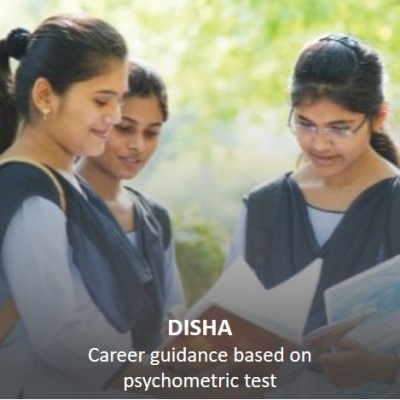
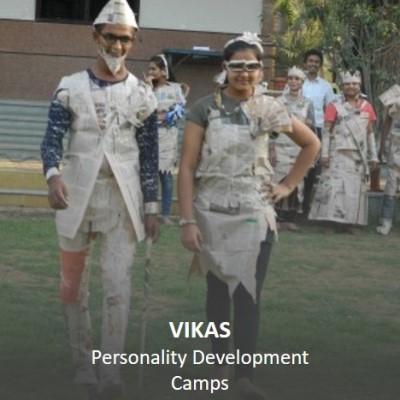
We offer students resources that provide a career counselling program, personality development camps (life skill education) and many more self-improvement tools. For parents, we offer parenting sessions to nurture their children correctly and for teachers, we train them to share their knowledge in the best possible way.
We focus on contributing the maximum of our work to society's welfare by investing in our actions and the best possible outcome. Our designed models have been replicated in various states of India. We collaborate with CSR organisations, NGOs and Corporates. The ultimate goal of implementing, standardising and documenting different education and skilling projects lies in the beauty of replication of the same - more the association with High Networth Individuals (HNI's) or other Corporate NGOs, the more benefit to the society. We believe that by using our scalable projects, more and more end-users will benefit, especially in the educational field, thereby yielding compounded returns to the society, at large.
LEARN MORE

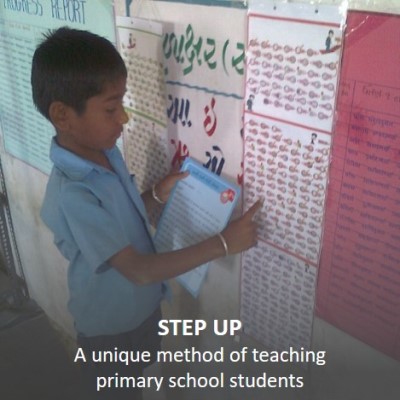
Maa Foundation has identified glaring gaps in today’s education system and employability skills, and most of our projects are trying to plug those gaps, on a substantial scale. We work with the synergy of a professional culture and the sentiments of a NGO. With this positive attitude, we try to give our maximum to the society. Our every project is replicable and scalable, so that the designed model can be used by other Corporates, as well as other NGO’s. We deploy various methods for spreading knowledge like activity-based learning, on-line content etc. and focus on the overall holistic development of individuals. We document most of our processes and projects, for better accountability and replicability.
LEARN MORE
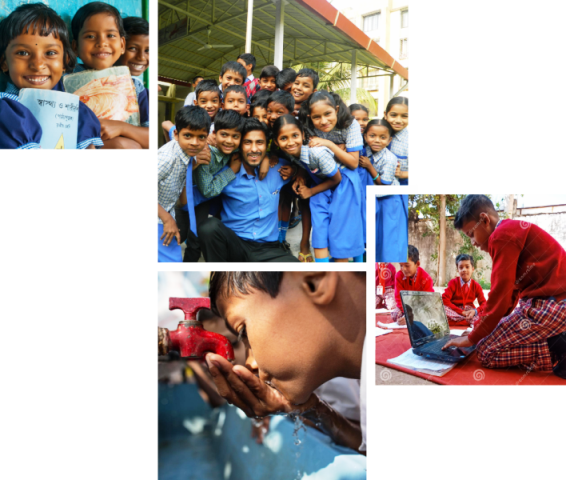
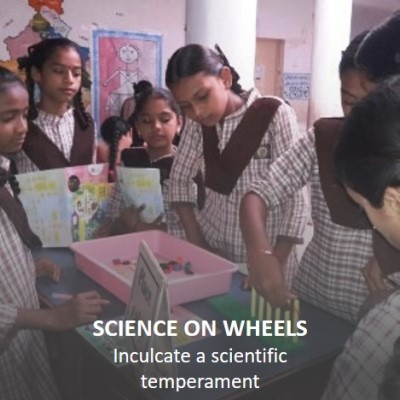
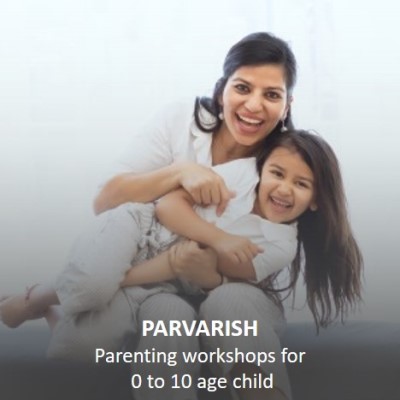
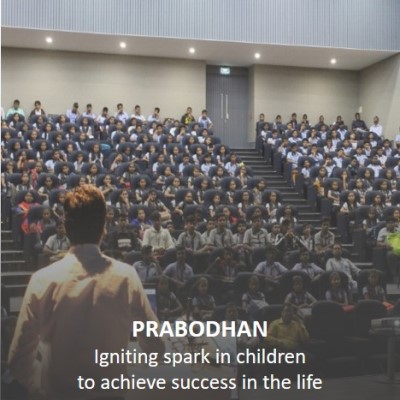
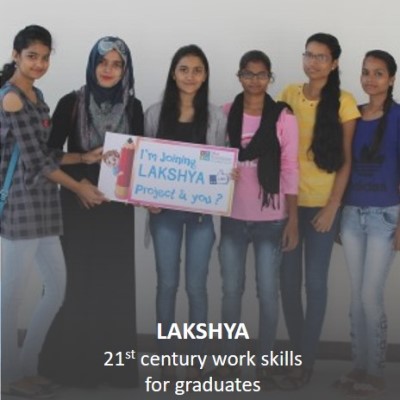
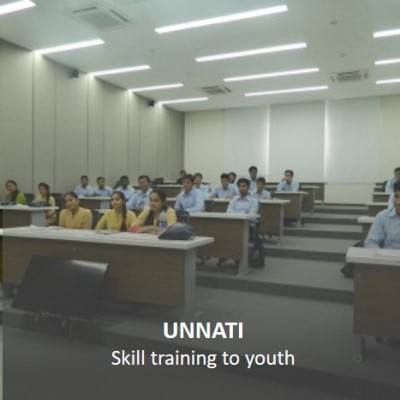
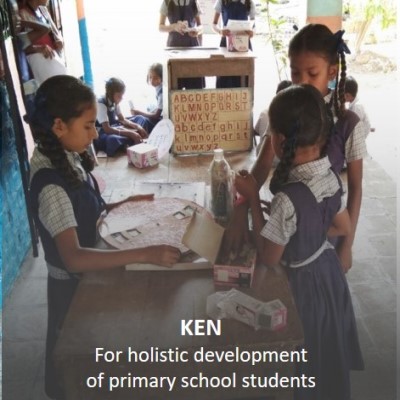
Through different educational projects, we are touching young lives to unleash the potential in them. We aim to holistically improve rural areas schools and turn them into role model schools. We have a structured career guidance program and try to instil values through life skill education. We provide a vision to enhance goal setting for a successful career. One of our focus areas is activity based learning, with lots of fun and activities. We aim to provide quality education for financially weaker backgrounds by offering intensive employability skills courses to the unemployed and preparing graduates with various 21st century necessary skills. We provide skill enhancement projects for teachers. For parents, we organize multiple seminars relating to child development for children under ten.
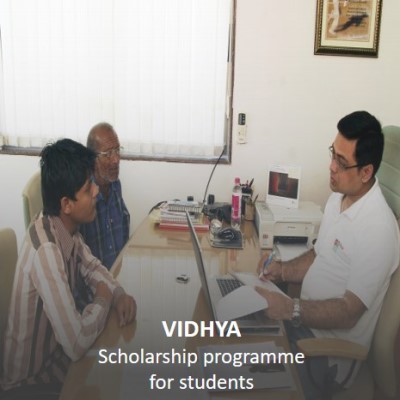
Best place for students who are in need for financial help, these guys provide financial support to students who are in need, they Help the students in all the possible way they can.
Best place to work. Dedicated to serving society.
Excellent civil society organisation working on education sector for socially and economically deprived students.



 Career Chart